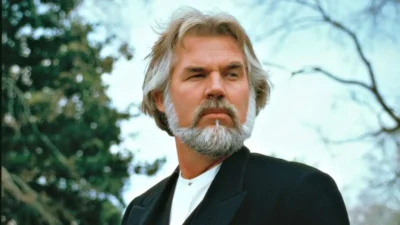
Taylor Hawkins net worth continues to attract global attention from music fans, financial readers, and search audiences worldwide.
As the longtime drummer of the iconic rock band Foo Fighters, Hawkins built substantial wealth over a 25-year career in the international music industry.
Even after his passing in 2022, interest in his financial legacy remains strong.
This ready-to-publish blog post provides a clear, factual, and neutral breakdown of Taylor Hawkins’ estimated net worth, his main income sources, how celebrity net worth is calculated, and why figures can change over time.
All numbers are based on widely cited financial reporting and industry analysis from reputable media sources.
Because private financial statements are not publicly available, all net worth figures should be treated as professional estimates.
What Is Net Worth? (Simple Explanation)
Before looking at the numbers, it’s important to understand what net worth actually means.
Net worth is the total value of a person’s assets minus their debts.
Net Worth Formula:
Net Worth = Assets – Liabilities
Assets may include:
- Real estate
- Music royalties
- Publishing rights
- Investments and savings
- Business ownership stakes
Liabilities may include:
- Mortgages
- Loans
- Taxes owed
- Business obligations
For musicians like Taylor Hawkins, the largest assets usually include music royalties, touring income, and publishing rights.
Taylor Hawkins Net Worth (Estimated)
At the time of his death in March 2022, Taylor Hawkins’ estimated net worth was approximately $40 million.
Important notes:
- This is an estimate based on publicly available reporting.
- Exact estate valuations are private.
- Royalties continue after death, which can increase or decrease estate value.
- Music catalog performance affects long-term valuation.
Because streaming revenue and licensing deals fluctuate over time, the overall value of his estate may change.
Who Was Taylor Hawkins?
Taylor Hawkins (1972–2022) was best known as the drummer for Foo Fighters. He joined the band in 1997, two years after it was founded by Dave Grohl, former drummer of Nirvana.
Hawkins was more than a drummer. He was also:
- A vocalist
- A songwriter
- A performer in side projects
- A respected figure in modern rock music
His long-term role in one of the world’s most commercially successful rock bands significantly shaped his financial success.
Main Sources of Taylor Hawkins’ Wealth
Taylor Hawkins built his net worth through multiple income streams over more than two decades.
1. Touring Revenue
Touring was one of his largest income sources.
Foo Fighters consistently performed sold-out arena and stadium tours worldwide.
Tour revenue typically includes:
- Ticket sales
- Merchandise sales
- Performance fees
- Profit-sharing agreements
Large international tours can generate tens of millions of dollars annually. As a core band member, Hawkins earned a share of these profits.
2. Album Sales and Streaming Royalties
Foo Fighters have sold millions of albums globally.
Major releases include:
- The Colour and the Shape
- There Is Nothing Left to Lose
- Wasting Light
- Medicine at Midnight
Today, streaming platforms generate recurring income. Royalty payments come from:
- Spotify
- Apple Music
- YouTube
- Digital downloads
- Physical album reissues
After an artist’s death, streaming often increases, which can boost royalty income.
3. Songwriting and Publishing Rights
Hawkins contributed songwriting credits to multiple tracks.
Songwriters earn income from:
- Mechanical royalties
- Performance royalties
- Synchronization licenses (TV, film, ads)
Publishing rights are especially valuable because they generate long-term passive income.
4. Side Projects and Collaborations
In addition to Foo Fighters, Hawkins worked on:
- Taylor Hawkins & the Coattail Riders
- Guest appearances with other artists
- Studio collaborations
These projects diversified his income beyond his main band role.
5. Real Estate and Personal Investments
While specific details are private, musicians of his level commonly invest in:
- Residential property
- Long-term financial assets
- Retirement and savings accounts
Real estate often plays a role in overall net worth due to property value appreciation.
Estimated Wealth Overview
Below is an illustrative breakdown of where his wealth likely came from:
| Income Source | Type of Earnings | Long-Term Value |
|---|---|---|
| Touring | Performance income | High |
| Album Sales | Royalties | High |
| Streaming | Recurring royalties | Growing |
| Publishing Rights | Songwriting income | Very High |
| Side Projects | Diversified revenue | Moderate |
| Real Estate & Investments | Asset appreciation | Moderate |
Note: Exact percentages are not publicly disclosed.
How His Net Worth Grew Over Time
Early Career
Before joining Foo Fighters, Hawkins toured with Alanis Morissette during the 1990s. This gave him:
- Industry exposure
- Steady touring income
- Professional credibility
This stage built his financial foundation.
Joining Foo Fighters (1997–2022)
When Hawkins joined Foo Fighters, his earning power expanded significantly.
Over 25 years:
- The band won multiple Grammy Awards.
- Global touring increased in scale.
- Streaming revenue grew with digital platforms.
- Catalog value increased over time.
Long-term band membership is a major factor in sustained wealth growth.
Why Net Worth Figures Change Frequently
Celebrity net worth estimates are not fixed numbers. They fluctuate due to several factors:
1. Royalty Variations
Streaming income changes monthly depending on listener demand.
2. Catalog Valuation
Music rights can increase in value based on:
- Market demand
- Industry acquisitions
- Licensing deals
3. Estate Management
Executors may:
- License music
- Sell publishing shares
- Invest estate funds
4. Economic Conditions
Global financial markets influence:
- Real estate values
- Investment portfolios
- Currency exchange rates
For these reasons, net worth figures should always be treated as estimates, not guaranteed totals.
Global Economic Context
Taylor Hawkins’ wealth reflects broader trends in the global music economy:
- Streaming platforms have reshaped artist income models.
- Intellectual property is increasingly treated as an investment asset.
- Music catalogs are frequently purchased by private equity firms.
- Rock bands with long careers maintain strong global streaming numbers.
His financial legacy shows how long-term artistic output can translate into sustained economic value.
Comparison Within the Band
Founding members typically hold larger equity stakes in bands.
For example, Dave Grohl, as founder and primary songwriter, reportedly holds greater financial ownership in Foo Fighters.
This structure is common in music groups:
- Founders often earn higher royalties.
- Primary songwriters receive larger publishing shares.
- Supporting members earn substantial but smaller percentages.
Despite this, Hawkins’ estimated $40 million net worth reflects strong financial success.
Frequently Asked Questions (FAQ)
1. What was Taylor Hawkins’ net worth when he died?
His estimated net worth was approximately $40 million at the time of his death in 2022.
2. How did Taylor Hawkins make his money?
He earned income from:
- Touring
- Album sales
- Streaming royalties
- Songwriting credits
- Side projects
- Investments
3. Does his estate still earn royalties?
Yes. Music royalties continue after death through streaming, licensing, and publishing rights.
4. Are celebrity net worth numbers exact?
No. They are estimates based on available public data. Private contracts and investments are not fully disclosed.
5. Why can estate value increase after death?
Streaming often rises after an artist’s passing. Licensing deals and catalog appreciation can also increase overall value.
Final Summary
Taylor Hawkins built an estimated $40 million net worth through decades of consistent work in the global music industry.
As a core member of Foo Fighters, he benefited from:
- International touring
- Long-term album sales
- Streaming growth
- Songwriting royalties
- Diversified projects
While net worth figures are estimates and subject to change, his financial legacy reflects the economic power of sustained artistic contribution.
Beyond monetary value, his influence on modern rock music remains his most enduring achievement.