If you’ve spent any time online, especially on anime forums, TikTok, or Instagram, you’ve probably come across the phrase “ara ara”.
This cute-sounding expression has been trending among anime fans and social media users, leaving many curious about its meaning.
People search for it to understand its context, whether it’s in memes, conversations, or romantic scenes.
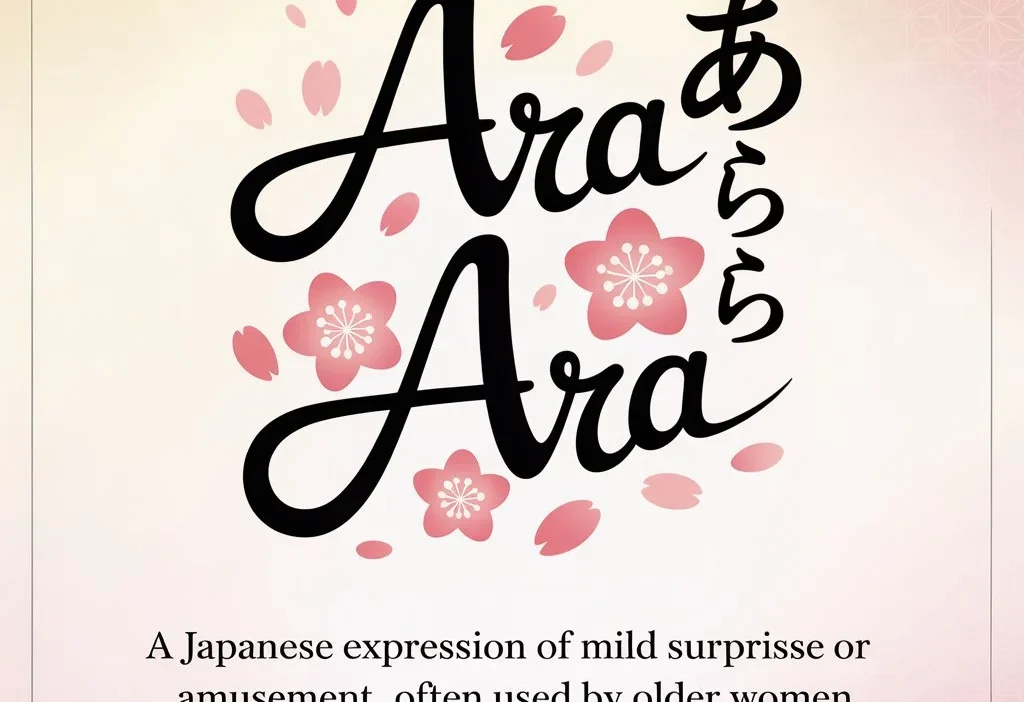
“Ara ara” is a Japanese phrase often used to express mild surprise, teasing, or affectionate amusement.
It has a playful tone and is frequently associated with older female characters in anime, making it popular in both online chats and pop culture.
Quick Answer
Quick Answer:
Ara ara is a Japanese expression that shows mild surprise, curiosity, or teasing, often used in a flirtatious or affectionate way. Its tone can range from playful to charmingly seductive, depending on the context.
Meaning in Different Contexts
In Texting and Messaging
In texting, ara ara is often used to react to something surprising or unexpected. It’s informal and usually lighthearted. For example:
- Friend: “I accidentally ate the last slice of cake 😅”
- You: “Ara ara, you did what?!”
Here, it expresses mild astonishment but with a friendly or teasing tone.
In Love and Relationships
In romantic contexts, ara ara can carry a flirty or playful undertone. Anime often shows older female characters using it to tease a male character in a charming way.
Example:
- Partner: “I forgot our anniversary 😬”
- You: “Ara ara… that’s naughty of you.”
This use is gentle, fun, and slightly flirtatious.
In Slang and Casual Language
Among young people and anime fans, ara ara has become slang for expressing playful disapproval or surprise. It’s like saying:
- “Oh my!”
- “Well, well…”
- “You’re being naughty!”
It’s not harsh or negative, but conveys charm and amusement.
On Social Media Platforms
On TikTok, Instagram, and Snapchat, ara ara appears in:
- Anime clips and memes
- Reaction videos
- Captions for playful or teasing posts
Example TikTok caption:
- “When he tries to act tough but fails… ara ara 😏”
Social media users adopt it to add a cute or flirty vibe to content.
Spiritual or Symbolic Meaning
While primarily playful, some people believe ara ara can reflect gentle femininity or nurturing energy due to its association with caring anime characters. It’s symbolic of a soft, teasing authority rather than being serious or harsh.
Numerology or Cultural Meaning
In Japanese culture, ara ara is not tied to numerology, but it reflects a common linguistic pattern where repetition adds emphasis and emotion. It’s a cultural marker of informal, conversational Japanese, often used by older or mature characters to appear charming.
Examples & Usage

Here are some real-life examples of how ara ara is used:
| Context | Example | Meaning |
| Texting | “Ara ara… you missed the bus again?” | Mild surprise or teasing |
| Social Media | “When your crush smiles at you… ara ara 😳” | Flirty/Playful |
| Relationships | “Ara ara… you forgot my birthday?” | Teasing, affectionate |
| Casual Talk | “Ara ara, that’s a big mistake!” | Playful disapproval |
Context changes the tone: In casual chats, it’s friendly; in romantic contexts, it’s flirty; in anime, it’s often charmingly seductive.
Common Questions (FAQ)

What does ara ara really mean?
It’s a Japanese expression of mild surprise, amusement, or playful teasing, often used by older female characters in anime.
Is ara ara positive or negative?
Positive. It’s generally affectionate, teasing, or flirty. Rarely is it negative or harsh.
Is ara ara romantic?
It can be, depending on tone and context. In romantic situations, it’s often used flirtatiously.
How should someone reply to ara ara?
You can reply based on the tone:
- Playful: “Hehe, my bad 😅”
- Flirty: “Oh? What will you do about it? 😏”
- Friendly: “I didn’t mean to! 😳”
Conclusion
In simple words, ara ara is a cute and playful Japanese expression used to show surprise, tease someone gently, or flirt.
Its versatility has made it popular on social media, in texting, and especially among anime fans.
Now that you understand its meaning and context, you can confidently use or interpret ara ara in conversations, captions, or online reactions.
It’s more than just a phrase—it’s a fun, charming way to express curiosity, amusement, or affection.