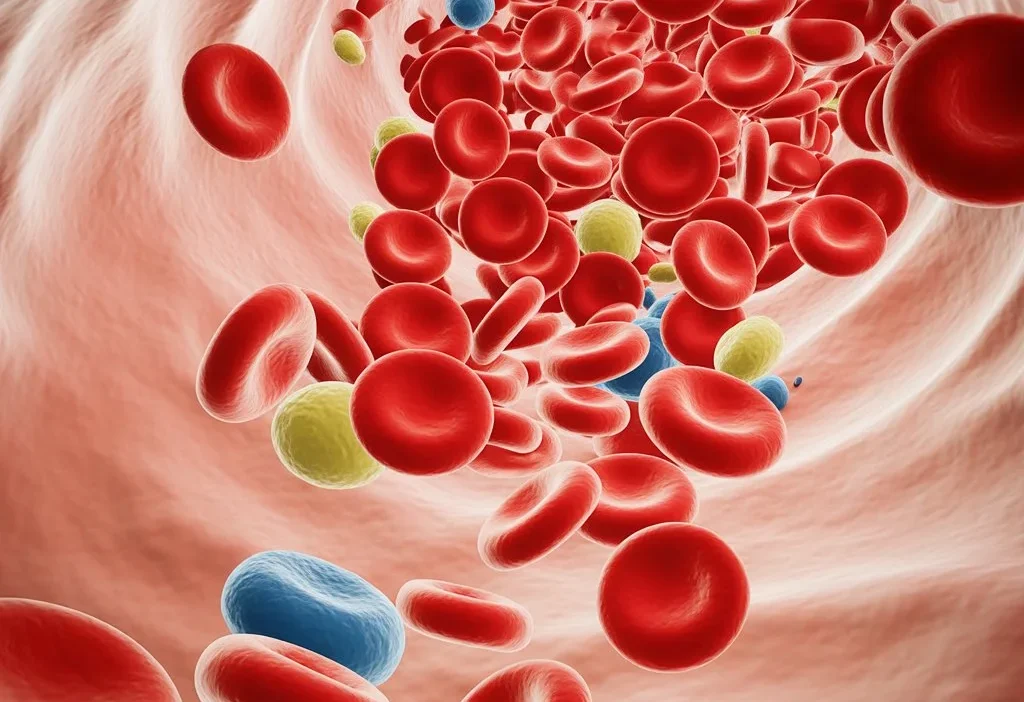
Recently, many people have been searching for “what does it mean when your red blood cell count is high”.
This topic is trending because routine blood tests often reveal unusual results, leaving people curious or concerned about their health.
A high red blood cell count, medically known as polycythemia, means your body has more red blood cells than normal.
Red blood cells (RBCs) carry oxygen from your lungs to the rest of your body, so an abnormal increase can affect your overall health.
Understanding this condition is important because it may indicate underlying health issues that need attention.
⚡ Quick Answer
A high red blood cell count means your blood has more red blood cells than normal, which can make it thicker and increase the risk of complications. It may result from dehydration, living at high altitudes, smoking, or certain medical conditions.
📚 Core Content Sections
What Does High Red Blood Cell Count Mean in Simple Terms?
In simple terms, having a high RBC count means your blood is carrying extra red blood cells. While oxygen delivery is crucial, too many RBCs can make your blood thicker, increasing the risk of blood clots, stroke, or heart problems if left unchecked.
Causes of High Red Blood Cell Count
Some common reasons include:
- Dehydration – Less plasma in your blood can artificially raise RBC levels.
- Living at high altitudes – Your body compensates for lower oxygen by producing more RBCs.
- Smoking – Lowers oxygen levels, prompting more RBC production.
- Medical conditions – Such as polycythemia vera (a rare blood disorder) or heart/lung disease.
Symptoms of High Red Blood Cell Count
Not everyone experiences symptoms, but common signs include:
- Fatigue or weakness
- Headaches and dizziness
- Reddened skin, especially on the face
- Shortness of breath
- Night sweats
Health Risks of High RBC Count
Having too many red blood cells can make your blood thicker, which increases the risk of:
- Blood clots
- Stroke or heart attack
- Poor circulation leading to numbness or tingling
- Enlarged spleen
How Is High Red Blood Cell Count Diagnosed?
Doctors usually detect high RBC count through a complete blood count (CBC) test. Further tests may include:
- Hematocrit and hemoglobin levels
- Oxygen saturation
- Bone marrow tests in rare cases
Treatment and Management
Treatment depends on the cause:
- Hydration – Drinking more water can help if dehydration is the cause.
- Lifestyle changes – Quitting smoking and regular exercise.
- Medical treatment – Phlebotomy (blood removal) or medications for polycythemia vera.
🧠 Examples & Usage
Imagine this like a “texting example,” but for health context:
- Scenario 1: You get lab results showing RBC = 6.0 million/µL (higher than normal). Your doctor explains: “This is high; we need to check for underlying causes like dehydration or polycythemia.”
- Scenario 2: You’re traveling at 10,000 feet altitude. Your RBC count naturally rises, which is a normal body response.
Key point: Context matters—a high RBC count could be temporary (like dehydration) or chronic (like a blood disorder).
❓ Common Questions (FAQ)
Q1: What does high RBC really mean?
It means your blood has more red blood cells than normal, which can affect oxygen delivery and circulation.
Q2: Is it positive or negative?
It depends on the cause. Temporary increases (like altitude) are usually harmless, while chronic conditions may need treatment.
Q3: Can high RBC count be romantic?
No, this is purely a medical condition, not related to emotions or relationships.
Q4: How should someone respond to a high RBC count?
Consult a doctor, stay hydrated, and avoid smoking. Follow any recommended medical treatment.
🏁 Conclusion
A high red blood cell count means your blood carries more red blood cells than usual. While it may sometimes be harmless, it can also indicate serious health issues. Knowing the causes, symptoms, and treatments helps you stay informed and take action if necessary. Now, you fully understand what a high RBC count is and why monitoring it matters for your health.